Narok County · south-west Kenya
Maasai Mara National Reserve
Open grassland, high predator density, and the northern end of the Serengeti ecosystem.
- Country
- Kenya
- Typical access
- Road from Nairobi, or a scheduled light aircraft to an airstrip in the reserve
- Usual stay
- 2–3 nights
- Terrain
- Open savanna, riverine forest, the Oloololo escarpment
Overview
What Maasai Mara is.
The Mara is grassland country: rolling hills, riverine forest along the Mara and Talek rivers, and horizons that stay open for miles. That openness is why it reads as the archetypal safari landscape, and why sightings here tend to be unhurried rather than snatched between thickets.
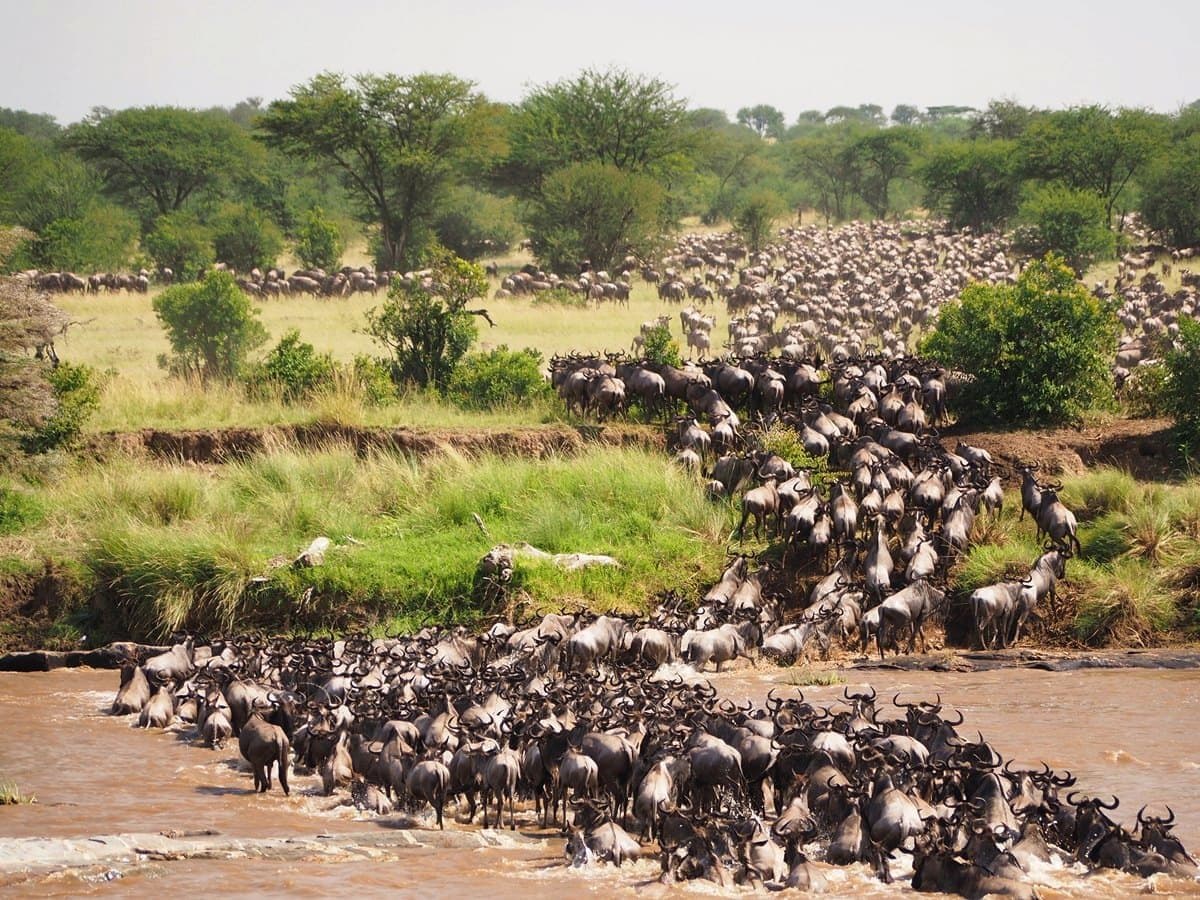
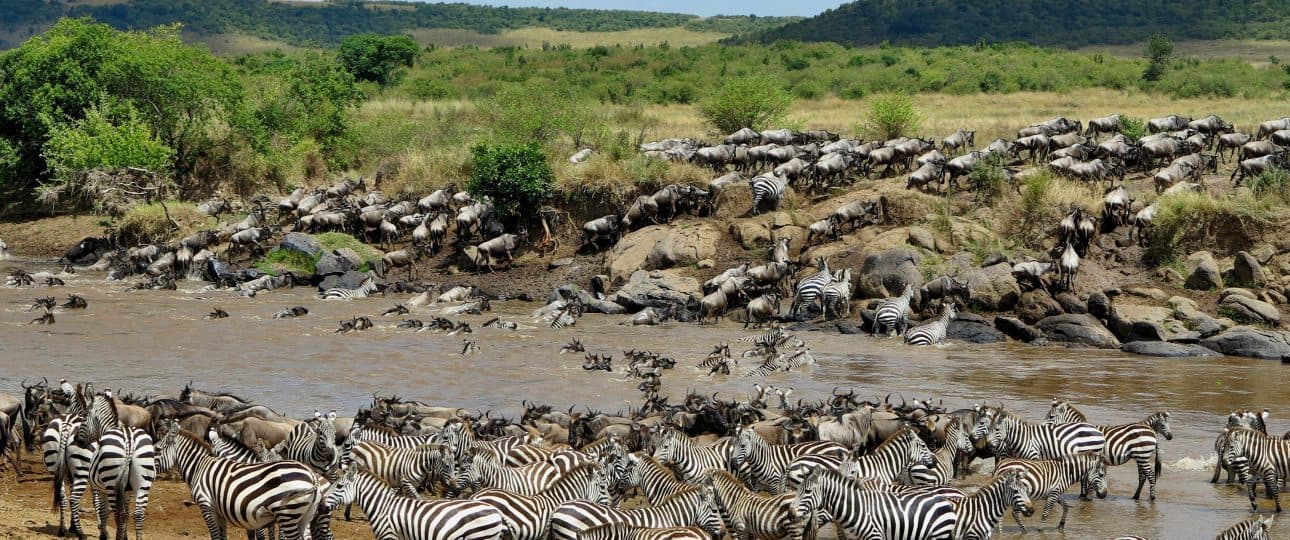
It is the Kenyan end of a single ecosystem shared with the Serengeti. Wildlife moves across that line all year; the famous river crossings are one seasonal expression of a much larger pattern of movement.
Most Ndurumo routes give the Mara at least two nights, because a single afternoon drive rarely does it justice. Longer stays let a guide work with conditions instead of against a schedule.
Wildlife
What you are likely to see.
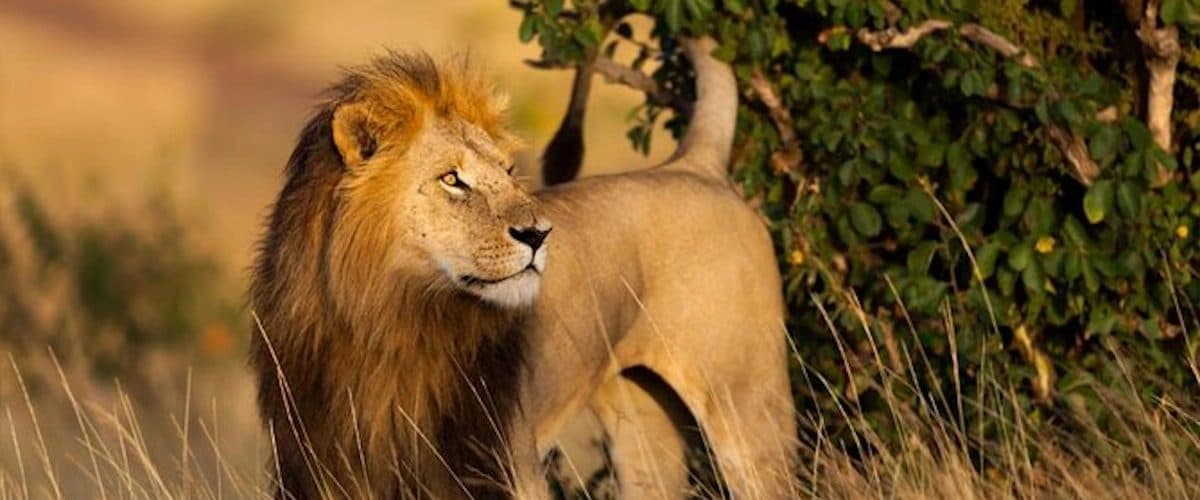
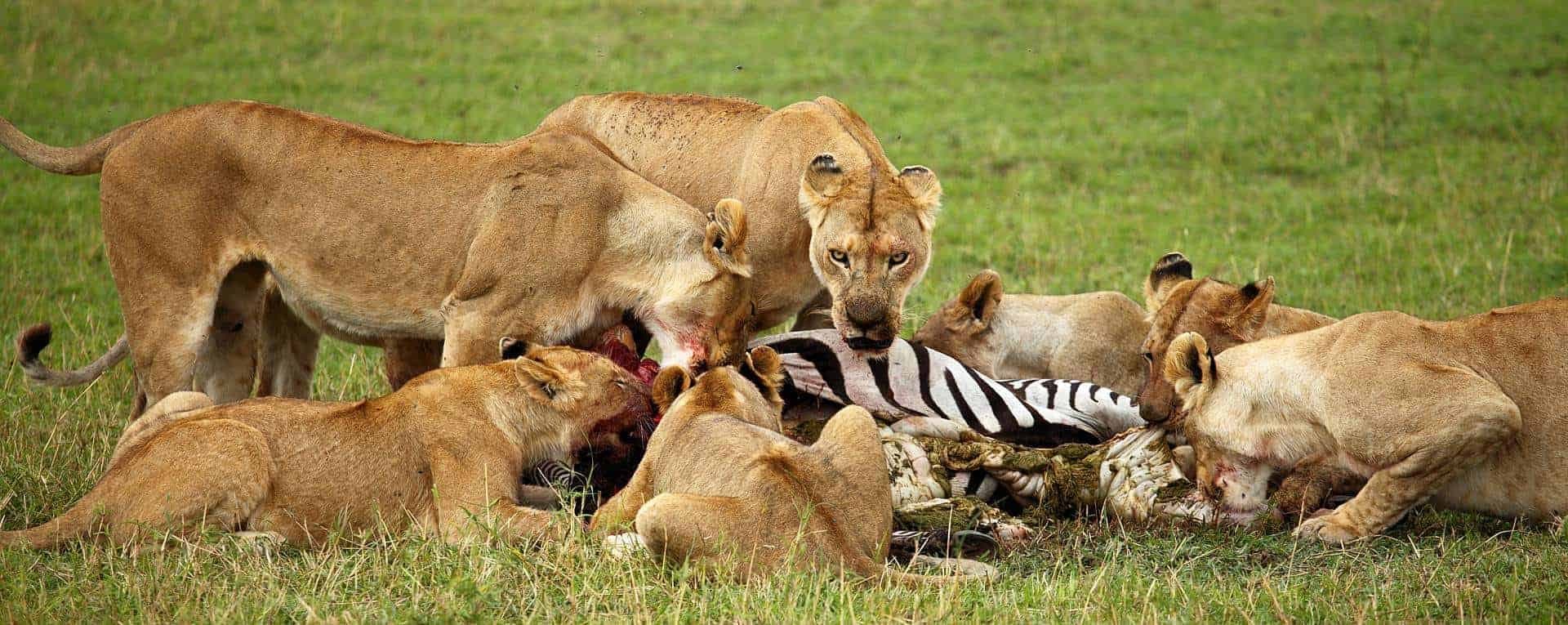
- Lion, in some of the highest densities in Africa
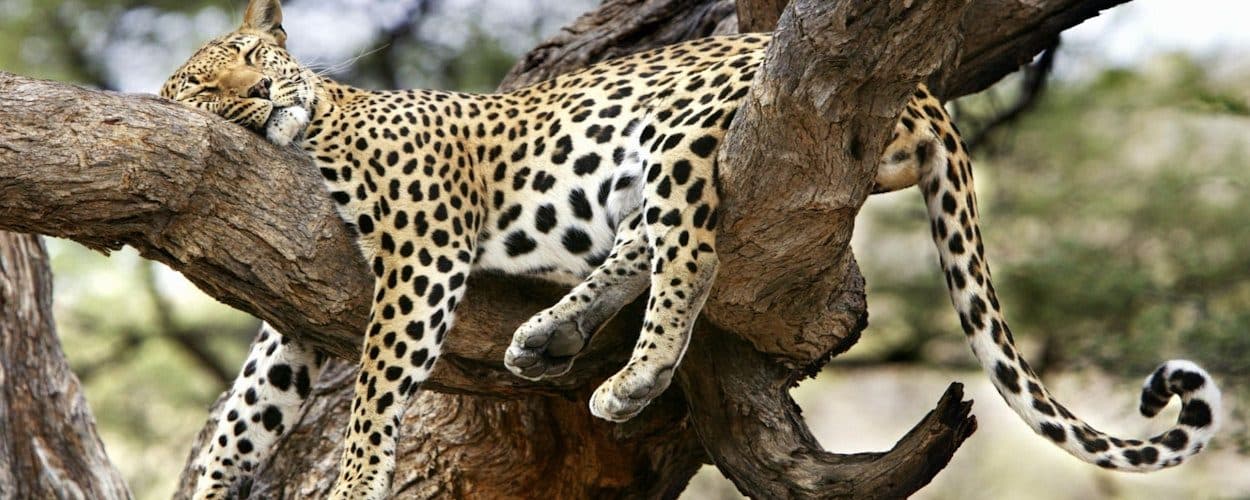
- Leopard along the riverine forest
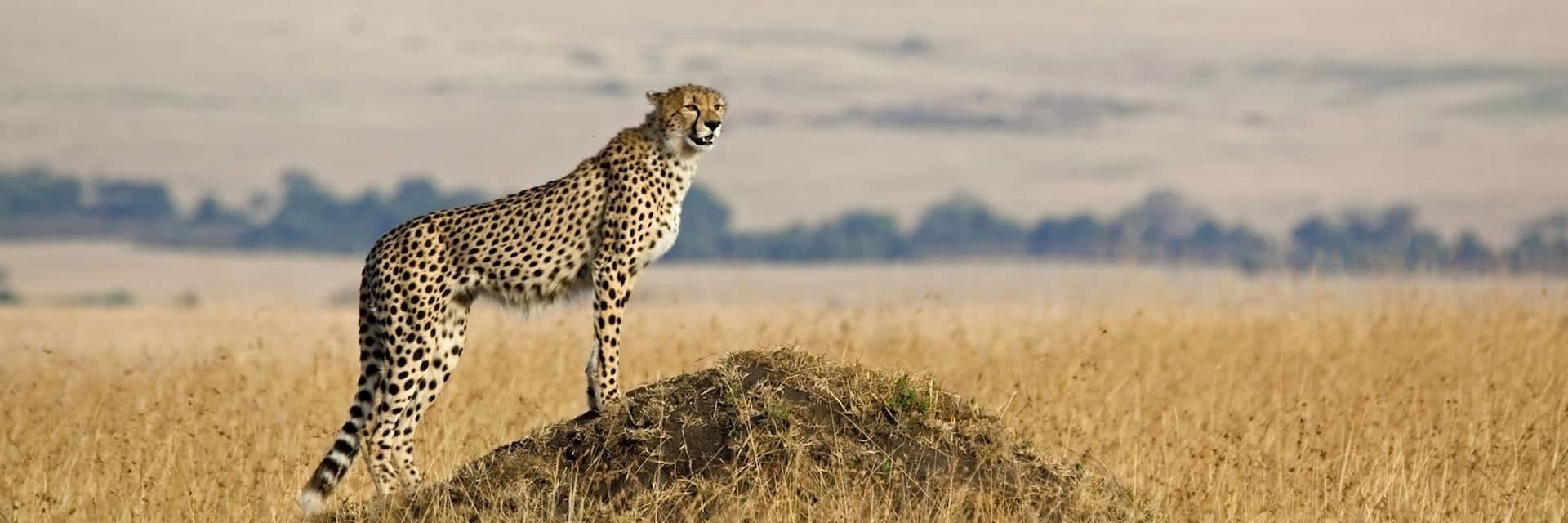
- Cheetah on the open short-grass plains
- Elephant, buffalo and both black and white rhino
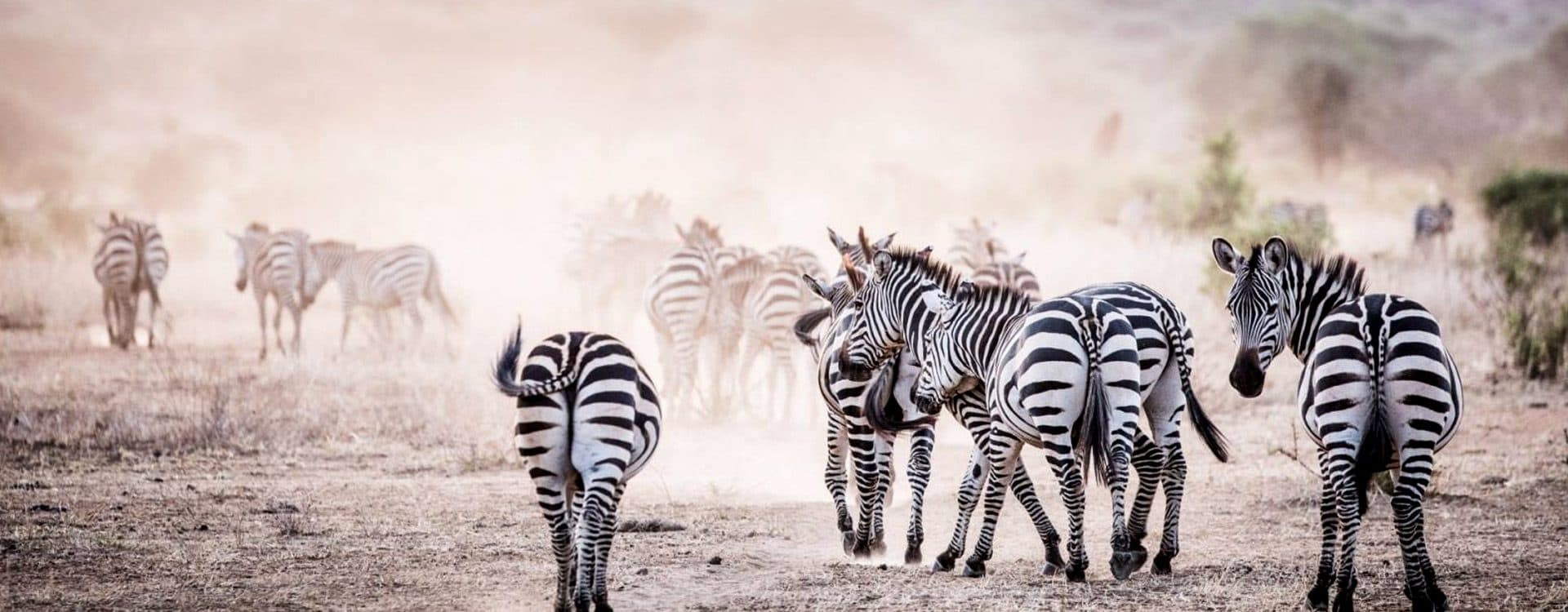
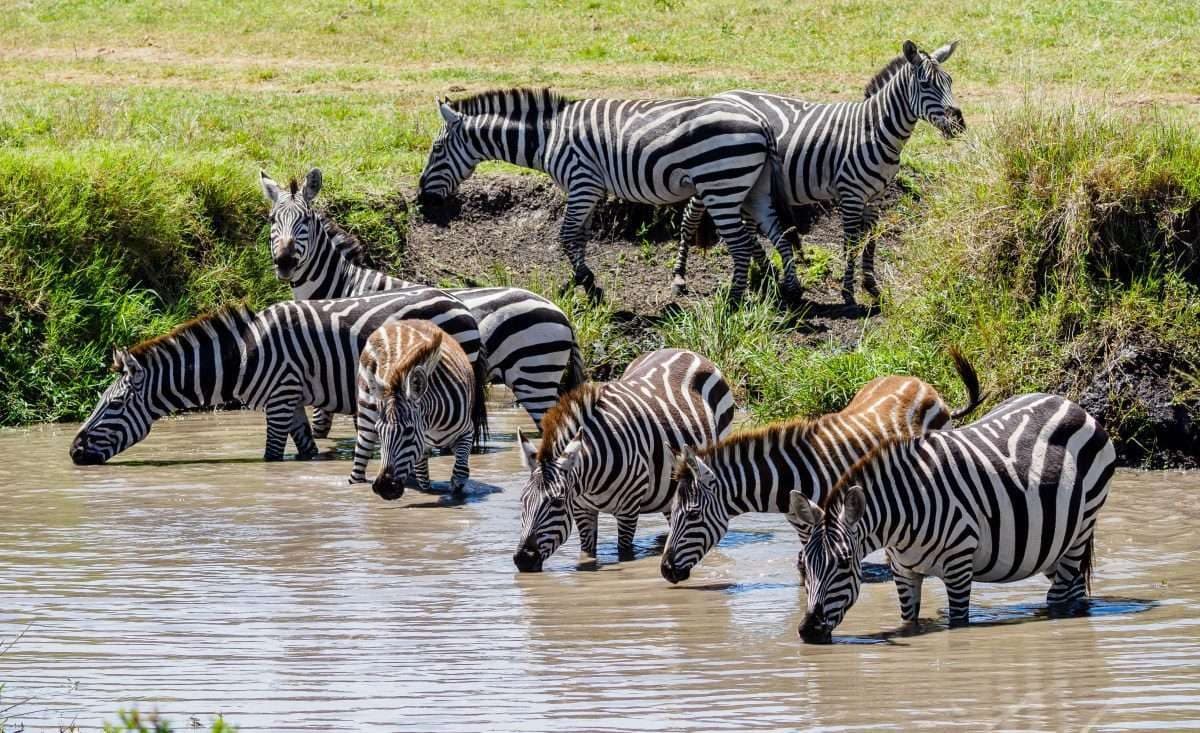
- Wildebeest and zebra, resident herds year-round
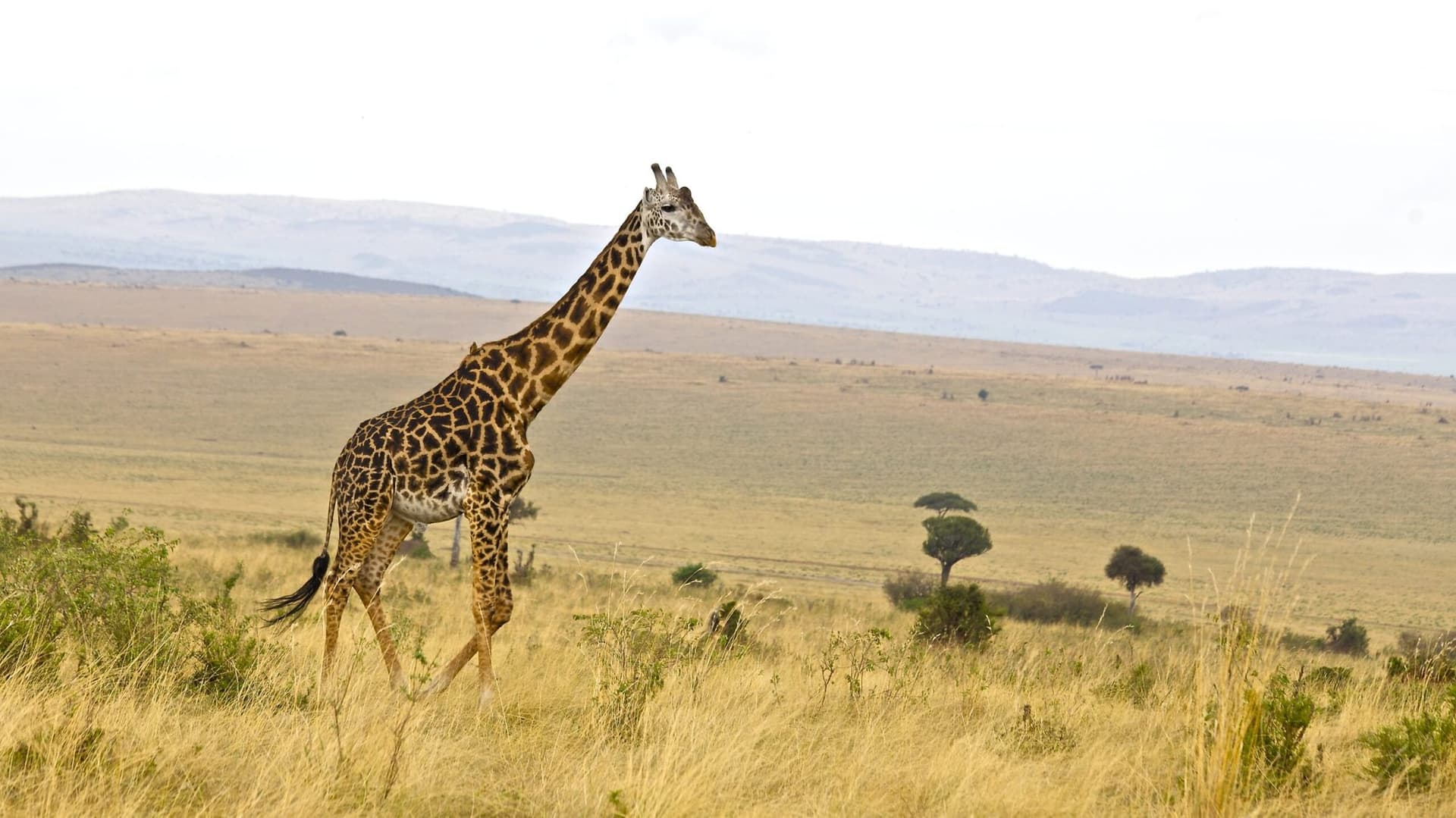
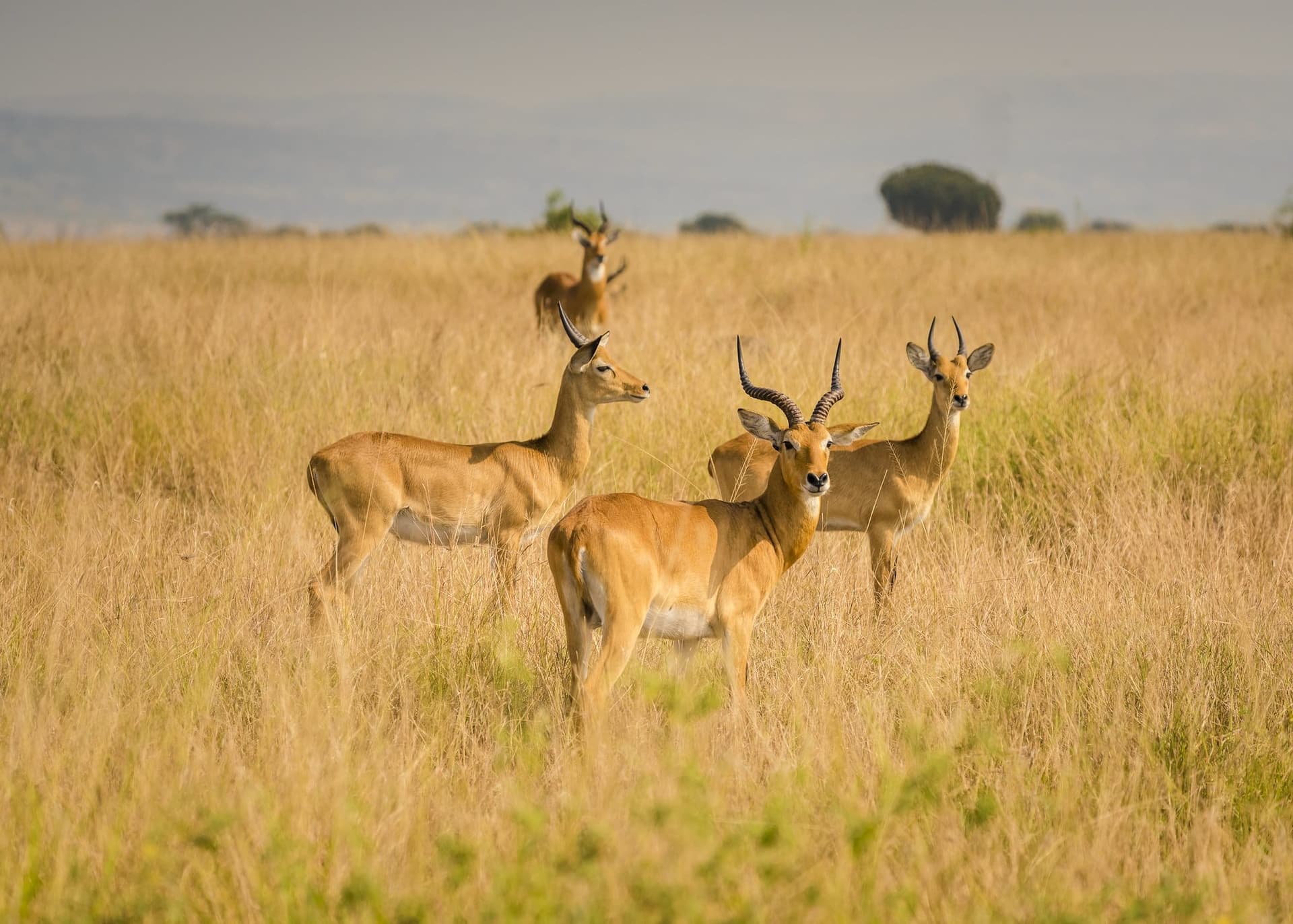
- Topi, eland, giraffe, hippo and crocodile
Experiences
How the days work here.
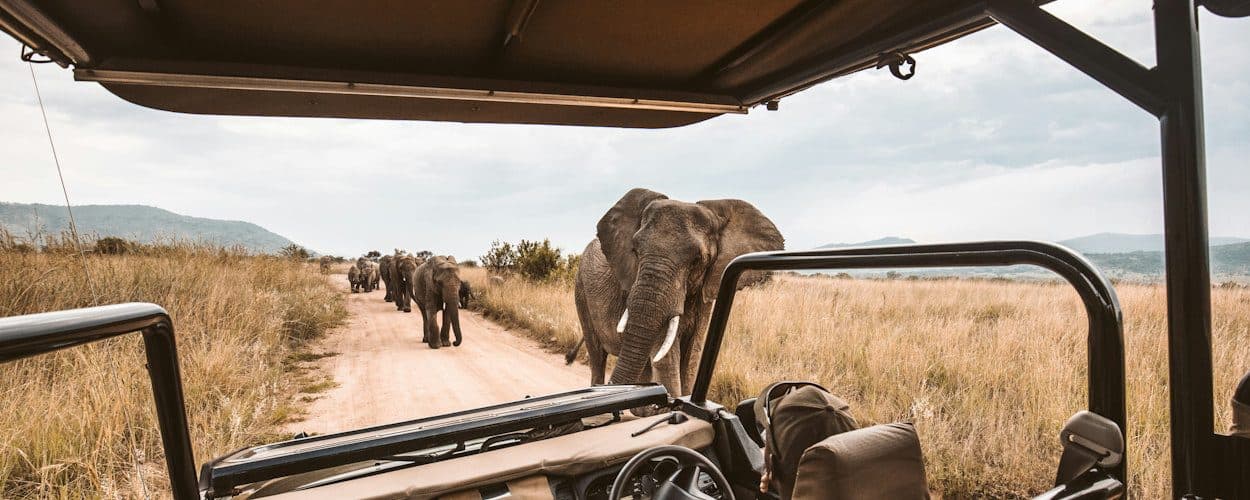
Game drives in an open-roof vehicle
Morning and afternoon drives, with the option of a full day out and a picnic lunch where the route allows it.
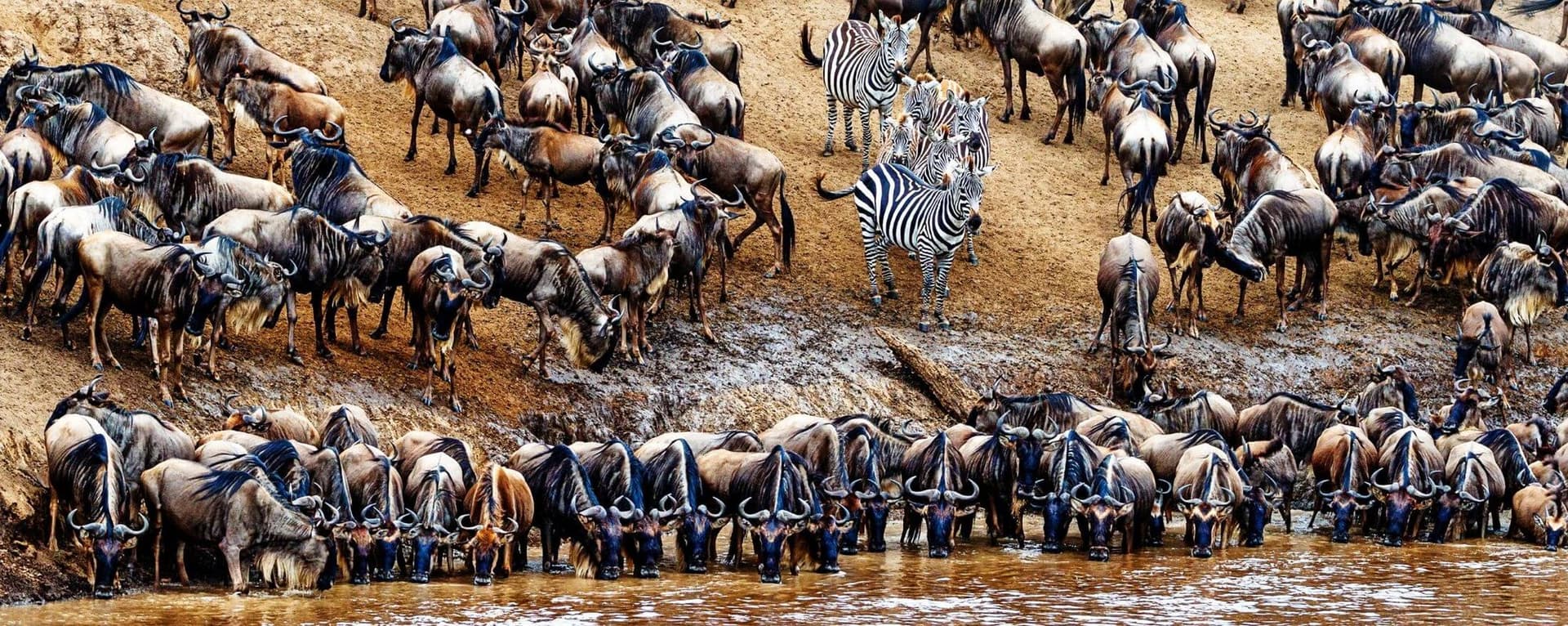
The Great Migration
Herds typically reach the Mara from the Serengeti around July and stay into October. Timing shifts each year with the rains.
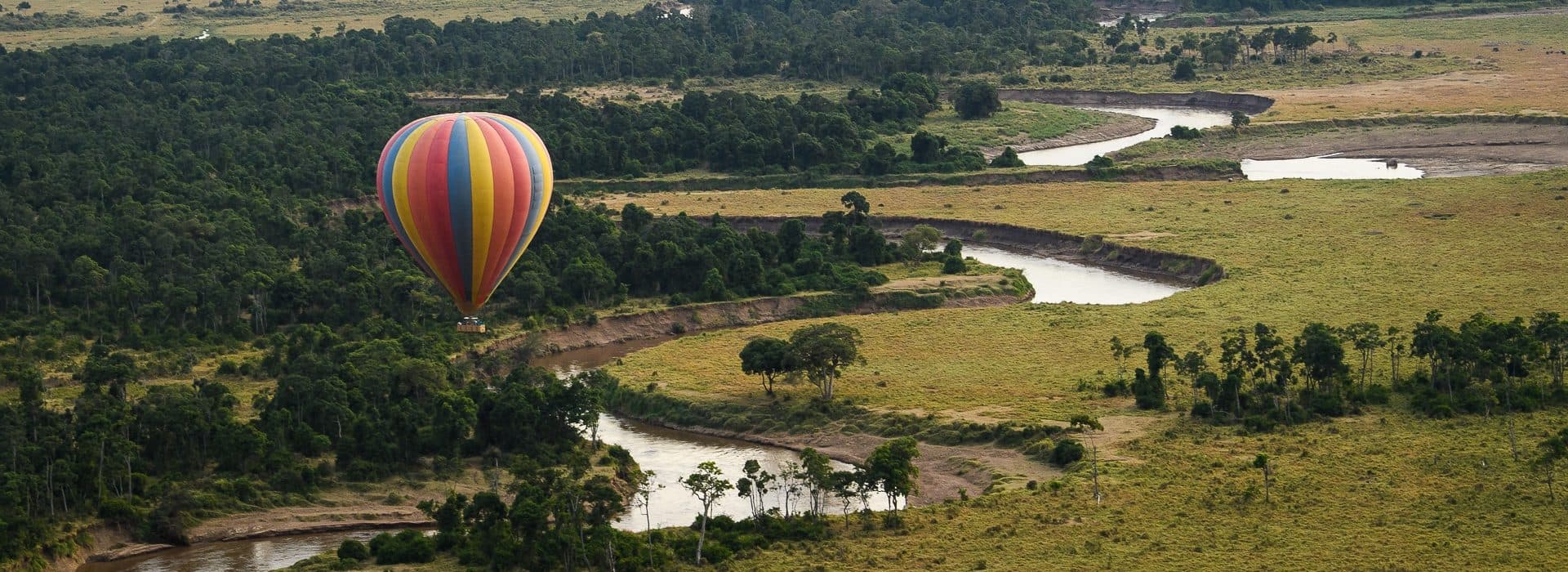
Balloon safari
A dawn flight over the plains, arranged locally at extra cost. Availability and pricing are confirmed per departure.
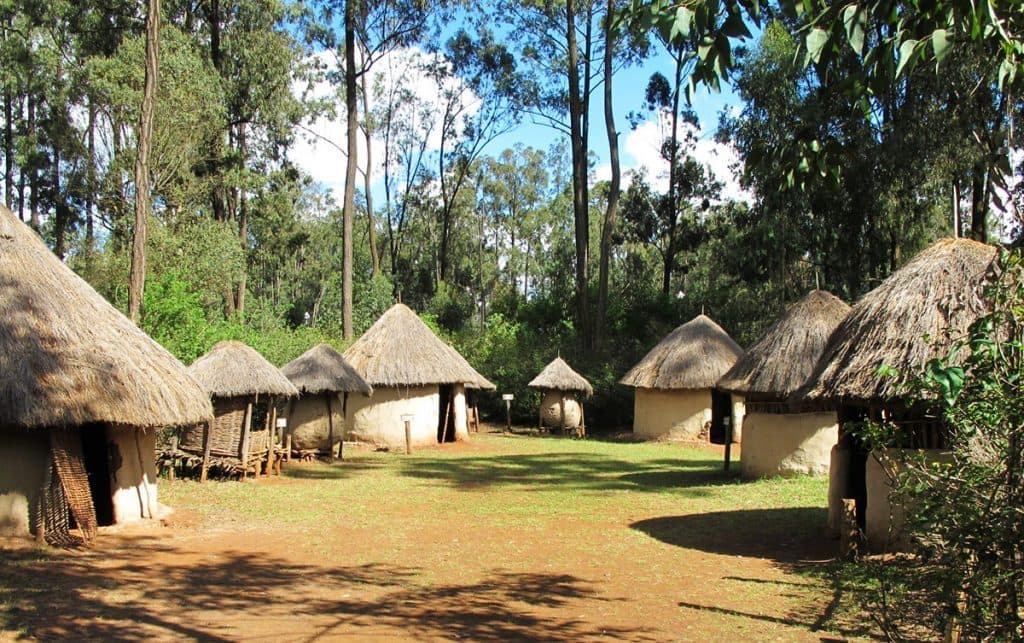
Maasai village visit
An optional visit to a nearby community, paid directly at the village. Ndurumo's itineraries list this at USD 10 per person.
Best time to visit
When to come to Maasai Mara.
- July – OctoberDry season and the usual migration window. Busiest and most expensive.
- January – MarchDry, warm, quieter roads. Strong resident game and good predator viewing.
- April – MayLong rains. Green, very quiet, lower rates, some tracks harder going.
- November – DecemberShort rains, brief and usually afternoon. Good value and green landscapes.
Where you stay
Our shortlist at each level.
Properties Ndurumo may recommend or use at each level. Final accommodation is confirmed with your quotation and remains subject to availability.
Budget
Miti Mingi Eco Camp
Midrange
Masai Mara Sopa Lodge
Luxury
andBeyond Bateleur Camp, Cottar's 1920s Camp
Routes that include Maasai Mara
Safaris through here.
 Kenya · 2 days
classic safari
2 Days Maasai Mara Safari
The shortest honest way into the Mara, out of Nairobi and back.
Nairobi · Maasai Mara · Nairobi
 Kenya · 3 days
classic safari
3 Days Maasai Mara Safari
One full day in the reserve, framed by the drive in and the drive out.
Nairobi · Maasai Mara · Nairobi
 Kenya · 4 days
classic safari
4 Days Maasai Mara & Lake Nakuru Safari
Open plains, then a Rift Valley lake with one of Kenya's best rhino populations.
Nairobi · Maasai Mara · Lake Nakuru · Nairobi
 Kenya · 5 days
classic safari
5 Days Maasai Mara, Lake Nakuru & Lake Naivasha Safari
Two safari parks and a freshwater lake, at a pace that leaves room to breathe.
Nairobi · Maasai Mara · Lake Nakuru · Lake Naivasha · Nairobi
 Kenya · 6 days
classic safari
6 Days Maasai Mara, Lake Nakuru & Amboseli Safari
Three of Kenya's best-known parks, with a full day in two of them.
Nairobi · Maasai Mara · Lake Nakuru · Amboseli · Nairobi
 Kenya · 6 days
classic safari
6 Days Maasai Mara, Lake Nakuru & Samburu Private Safari
South-west grassland, Rift Valley rhino, then the dry country of the north.
Nairobi · Maasai Mara · Lake Nakuru · Samburu · Nairobi
 Kenya · 6 days
classic safari
6 Days Maasai Mara, Lake Nakuru, Lake Naivasha & Lake Bogoria Private Safari
A Rift Valley lakes circuit, ending at the hot springs and flamingos of Bogoria.
Nairobi · Maasai Mara · Lake Nakuru · Lake Naivasha · Lake Baringo & Bogoria · Nairobi
 Kenya · 7 days
classic safari
7 Days Maasai Mara, Lake Nakuru, Lake Naivasha & Amboseli Safari
A full week across Kenya's Rift Valley and south to Kilimanjaro's shadow.
Nairobi · Maasai Mara · Lake Nakuru · Lake Naivasha · Amboseli · Nairobi
 Kenya · 7 days
private safari
7 Days Samburu, Ol Pejeta, Lake Nakuru & Maasai Mara Private Safari
Northern dry country, rhino conservancy and the Mara, on a private vehicle.
Nairobi · Samburu · Ol Pejeta · Lake Nakuru · Maasai Mara · Nairobi
 Kenya · 8 days
classic safari
8 Days Maasai Mara, Lake Nakuru, Lake Naivasha, Amboseli & Tsavo East Private Safari
The broad Kenyan circuit, ending in the red-earth wilderness of Tsavo.
Nairobi · Maasai Mara · Lake Nakuru · Lake Naivasha · Amboseli · Tsavo East · Nairobi
 Kenya · 9 days
private safari
9 Days Samburu, Lake Nakuru, Lake Baringo, Lake Bogoria, Maasai Mara & Amboseli Private Safari
The long way round Kenya: northern deserts, Rift Valley lakes, grassland and Kilimanjaro.
Nairobi · Samburu · Lake Nakuru · Lake Baringo & Bogoria · Maasai Mara · Amboseli · Nairobi
 Kenya & Tanzania · 9 days
classic safari
9 Days Kenya & Tanzania: Maasai Mara, Lake Nakuru, Lake Naivasha, Arusha, Lake Manyara & Ngorongoro
The Kenyan Rift Valley, then across the border to Manyara and the crater.
Nairobi · Maasai Mara · Lake Nakuru · Lake Naivasha · Namanga · Arusha · Lake Manyara · Ngorongoro · Arusha
 Kenya & Tanzania · 10 days
classic safari
10 Days Kenya & Tanzania: Maasai Mara, Lake Nakuru, Amboseli, Arusha, Serengeti & Ngorongoro
One ecosystem seen from both sides, plus Kilimanjaro's shadow in between.
Nairobi · Maasai Mara · Lake Nakuru · Amboseli · Namanga · Arusha · Serengeti · Ngorongoro · Arusha
 Kenya & Tanzania · 11 days
classic safari
11 Days Kenya & Tanzania: Maasai Mara, Lake Nakuru, Amboseli, Arusha, Lake Manyara, Serengeti & Ngorongoro
The ten-day circuit with Lake Manyara added, and less driving on the Tanzanian side.
Nairobi · Maasai Mara · Lake Nakuru · Amboseli · Namanga · Arusha · Lake Manyara · Serengeti · Ngorongoro · Arusha
 Kenya & Tanzania · 12 days
classic safari
12 Days Kenya & Tanzania: Maasai Mara, Lake Nakuru, Amboseli, Arusha, Lake Manyara, Serengeti & Ngorongoro
The longest cross-border circuit, with a full stationary day in the Serengeti.
Nairobi · Maasai Mara · Lake Nakuru · Amboseli · Namanga · Arusha · Lake Manyara · Serengeti · Ngorongoro · Arusha
Questions
About Maasai Mara.
How many nights should I spend in the Maasai Mara?
Two nights is the practical minimum and gives you one full safari day. Three nights lets you cover different parts of the reserve and allow for weather.
When can I see the river crossings?
Crossings are usually possible between roughly July and October, but they depend on rainfall and herd movement. No operator can guarantee a crossing on a given date.
Is the Mara good for a first safari?
Yes. The open landscape makes wildlife easier to find and watch, and the road route from Nairobi keeps a short trip workable.
Plan your safari
Build a trip around Maasai Mara.
Tell us your dates and how long you have, and we will shape a route that gives Maasai Mara the time it deserves.